

Fleet management companies play a crucial role in optimizing vehicle operations for businesses that rely on transportation. Whether managing a small delivery fleet or a large logistics operation, these companies help streamline processes, reduce costs, and enhance overall efficiency. They provide essential services such as vehicle tracking, maintenance, fuel management, compliance monitoring, and driver safety programs.
Here are the key functions of fleet management companies and how they help businesses operate efficiently.
1. Vehicle Tracking and Telematics
One of the primary functions of fleet management companies is real-time vehicle tracking. Telematics systems use GPS technology to monitor the location, speed, and route of each vehicle in the fleet.
Key Benefits of Vehicle Tracking:
✔ Improved route planning and efficiency
✔ Enhanced security and theft prevention
✔ Real-time updates on vehicle movements
✔ Reduction in fuel costs through optimized routing
By leveraging GPS tracking, businesses can ensure better fleet visibility and operational control.
2. Fleet Maintenance and Repairs
Functions of Fleet Management Companies include providing regular maintenance scheduling and repair management services to keep fleet vehicles in top condition and prevent unexpected breakdowns. By ensuring timely servicing and proactive repairs, these companies help minimize downtime and enhance fleet efficiency.
Key Aspects of Fleet Maintenance:
Scheduled preventive maintenance to avoid costly repairs
Monitoring vehicle diagnostics to detect issues early
Managing repair costs and reducing vehicle downtime
Ensuring compliance with safety regulations
A well-maintained fleet results in increased reliability, reduced operational costs, and enhanced safety.
3. Fuel Management and Cost Control
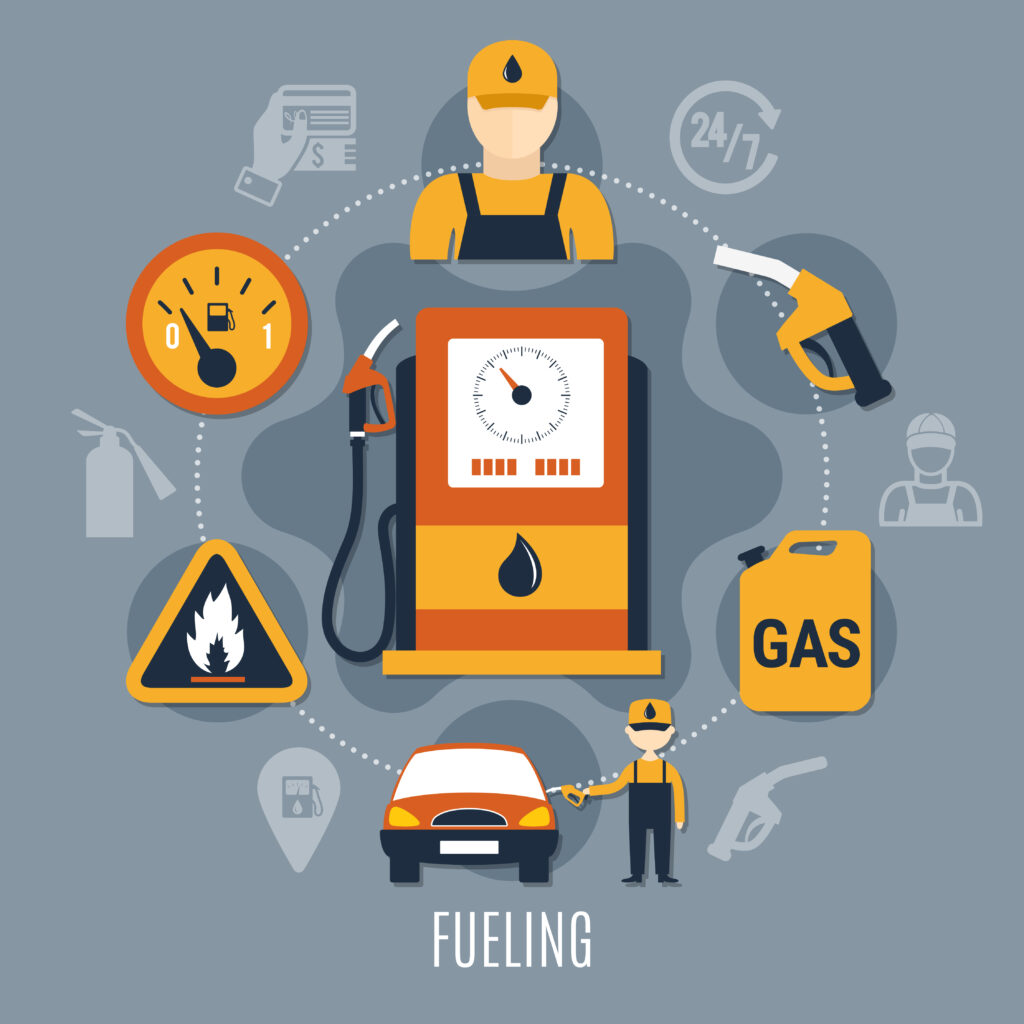
Fuel expenses account for a significant portion of fleet operating costs. Fleet management companies help businesses monitor fuel consumption and implement cost-saving strategies.
How Fleet Companies Optimize Fuel Management:
Tracking fuel usage to identify inefficiencies
Implementing fuel card programs for cost control
Reducing fuel theft and unauthorized fuel purchases
Encouraging fuel-efficient driving behaviors
By optimizing fuel management, businesses can significantly lower operating expenses and increase profitability.
4. Driver Safety and Performance Monitoring
Functions of Fleet Management Companies include ensuring drivers follow safety protocols and exhibit responsible driving behavior. By utilizing telematics data to track driver performance and implementing training programs, these companies help reduce risks, enhance road safety, and improve overall fleet efficiency.
Driver Safety Initiatives:
Monitoring driver behavior (speeding, harsh braking, rapid acceleration)
Providing driver coaching and training programs
Implementing fatigue management systems to prevent accidents
Rewarding safe driving practices to encourage compliance
Improving driver safety not only protects employees but also reduces accident-related costs and liability risks.
5. Compliance and Regulatory Assistance
Businesses that operate fleets must comply with various transportation laws and regulations. Fleet management companies ensure that all vehicles and drivers meet legal requirements to avoid penalties and disruptions.
Key Compliance Services:
Ensuring vehicle registrations and licenses are up to date
Managing electronic logging devices (ELDs) for hours-of-service tracking
Monitoring emission standards and environmental regulations
Keeping records of driver certifications and training
Staying compliant with industry regulations helps businesses avoid legal issues and maintain smooth operations.
6. Route Optimization and Logistics Support
Functions of Fleet Management Companies include efficient route planning to reduce operational costs, enhance delivery times, and improve customer satisfaction. By leveraging advanced logistics software, these companies optimize routes based on traffic conditions, weather, and fuel efficiency, ensuring seamless and cost-effective fleet operations.
Advantages of Route Optimization:
Functions of Fleet Management Companies include optimizing logistics planning to enhance service quality while reducing transportation expenses. This involves reducing fuel consumption and vehicle wear, improving on-time deliveries and customer satisfaction, minimizing unnecessary mileage, and maximizing fleet productivity. Additionally, real-time route adjustments based on road conditions ensure efficient and cost-effective fleet operations.
With better logistics planning, businesses can enhance service quality while reducing transportation expenses.
7. Fleet Data Analytics and Reporting
Fleet management companies provide businesses with detailed analytics and reports on vehicle performance, driver behavior, and operational costs. This data-driven approach helps in making informed business decisions.
Key Fleet Data Insights:
Tracking key performance indicators (KPIs) for fleet efficiency
Identifying cost-saving opportunities
Analyzing trends in fuel usage, maintenance costs, and driver performance
Providing real-time alerts on vehicle health and operational issues
By leveraging fleet data, businesses can optimize performance, reduce expenses, and improve long-term planning.
Conclusion
functions of fleet management companies play a vital role in helping businesses streamline operations, enhance safety, and reduce costs. Their key functions include vehicle tracking, maintenance, fuel management, driver safety monitoring, compliance, and route optimization. By outsourcing fleet management services, businesses can focus on their core operations while ensuring their fleet runs efficiently and profitably.
Choosing the right fleet management partner can lead to improved productivity, better financial control, and long-term success in transportation and logistics operations.
FAQs
What are the main functions of fleet management companies?
Fleet management companies handle vehicle tracking, route optimization, maintenance scheduling, driver monitoring, fuel management, compliance, and data analytics to improve the efficiency and safety of business fleets.
Why is fleet management important for businesses?
Fleet management is important because it helps reduce fuel costs, avoid vehicle breakdowns, improve delivery performance, ensure driver safety, and enhance overall operational productivity.
How does telematics help in fleet management?
Telematics uses GPS and onboard sensors to track vehicle location, speed, driver behavior, engine health, and fuel usage. This real-time data helps companies improve routing, safety, and cost savings.
What is route optimization in fleet management?
Route optimization is the process of finding the fastest, safest, and most fuel-efficient path for vehicles using AI-based mapping and traffic data. It reduces travel time, fuel consumption, and delays.
How does fleet management reduce fuel expenses?
Fleet management reduces fuel costs by monitoring fuel consumption, eliminating idling, preventing fuel theft, encouraging efficient driving, and optimizing routes to lower unnecessary mileage.
What kind of maintenance do fleet management companies handle?
They manage preventive maintenance, repairs, service scheduling, vehicle health diagnostics, tire management, and breakdown support to keep fleets running smoothly.
What tools or software do fleet management companies use?
Most companies use GPS tracking systems, telematics devices, fleet management software, route optimization tools, maintenance management platforms, and driver monitoring systems.
How do fleet management companies improve driver safety?
They monitor speeding, harsh braking, sudden acceleration, and fatigue indicators. They also provide driver coaching, safety alerts, and compliance monitoring to reduce accidents.
What industries rely on fleet management services?
Industries such as logistics, transportation, delivery services, construction, rental companies, oil & gas, utilities, and rideshare businesses rely heavily on fleet management solutions.
What KPIs are used to measure fleet performance?
Common KPIs include fuel efficiency, maintenance cost per vehicle, route efficiency, driver scorecards, uptime percentage, vehicle utilization rate, and total cost of ownership.
Read more : 5 Activities of Fleet Management
